
How to Prepare Your RV for Storage Between Adventures
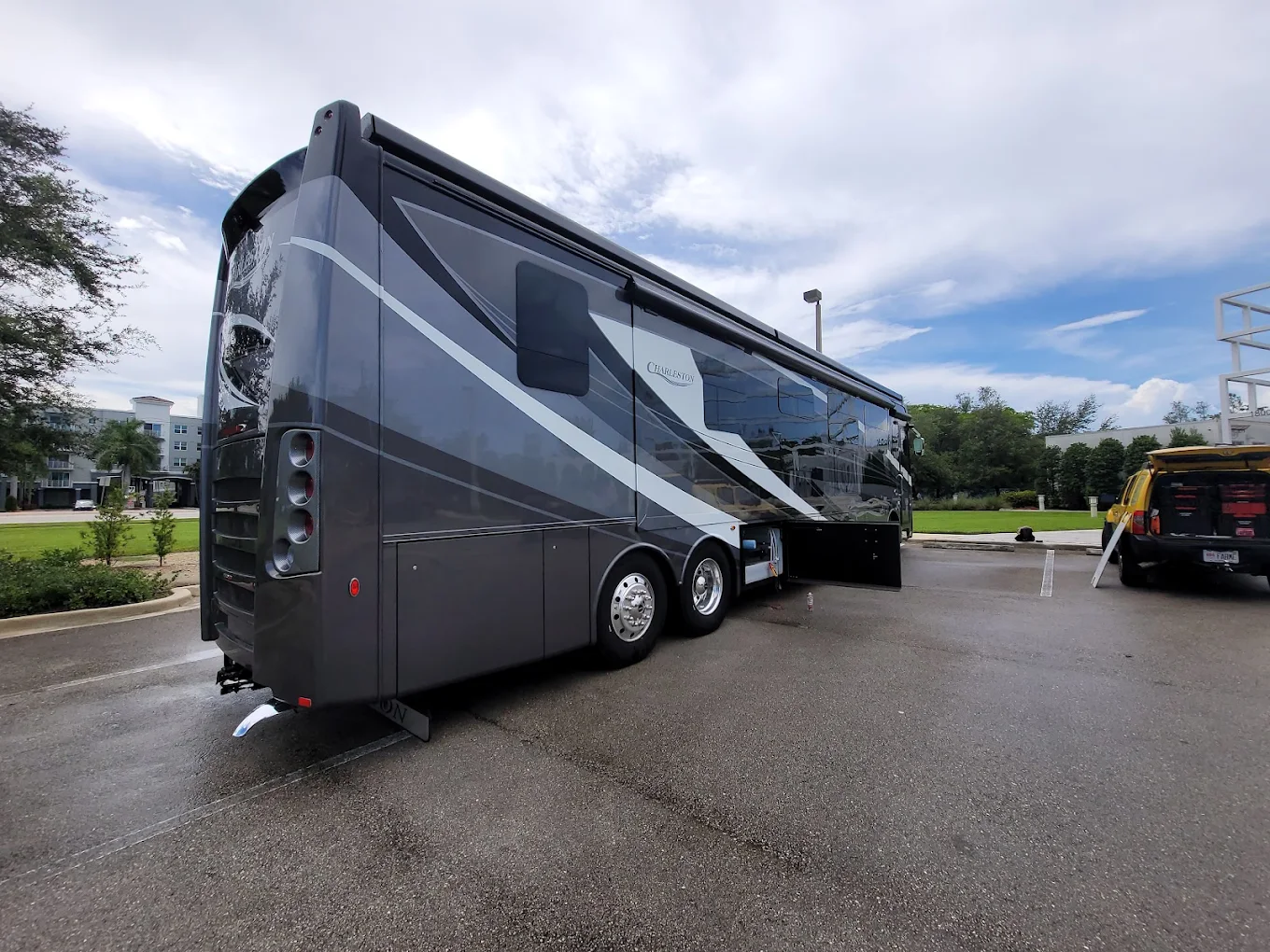
RV travel is all about the adventure ahead. But when a trip comes to an end, there is another important part of RV ownership that deserves attention: preparing your motorhome for the time it will spend sitting unused.
Whether your RV will be parked for a few weeks, several months, or between major trips, proper storage preparation can help protect its systems and make your next departure much easier.
An RV is a home on wheels with electrical, plumbing, appliances, mechanical components, seals, and exterior systems that all need attention. Simply parking it and walking away may leave you with unexpected problems when it is time to hit the road again.
Here are some practical steps RV owners can consider before putting their motorhome into storage.
Start With a Thorough Cleaning
Before storing your RV, give both the interior and exterior a good cleaning.
Inside, remove food, crumbs, trash, and anything that could attract insects or rodents. Clean refrigerators, cabinets, countertops, and other food-preparation areas.
Don't forget about areas that may be easy to overlook, such as storage compartments, drawers, and underneath furniture.
For the exterior, clean away dirt, road grime, and other buildup. This gives you an opportunity to notice potential issues such as damaged seals, cracks, loose components, or areas that may need attention.
Starting with a clean RV also makes your next trip more pleasant.
Pay Attention to the Plumbing System
Your RV's water system should not be overlooked before storage.
Depending on the expected storage conditions and the manufacturer's recommendations, you may need to drain water from the fresh-water system, water heater, and other plumbing components.
The appropriate procedure can vary depending on the RV and the climate where it will be stored.
If freezing temperatures are possible, proper winterization becomes particularly important because trapped water can freeze and potentially damage plumbing components.
If you're uncertain about how your particular RV should be prepared, professional assistance can help you avoid taking unnecessary risks with the water system.
Take Care of the Refrigerator and Appliances
Before storage, clean out the refrigerator and remove any food.
Make sure the refrigerator and other appliances are handled according to their manufacturer's instructions.
Leaving food or moisture behind can create unpleasant odors and potentially contribute to mold or mildew.
It's also a good opportunity to check whether appliances have been operating normally.
If a refrigerator, water heater, air conditioner, or another appliance has been showing unusual behavior, consider having it checked before storing the RV rather than waiting until the next vacation.
Check the Battery System
Your RV's batteries can lose charge while the vehicle sits unused.
The appropriate storage procedure depends on the battery type, RV configuration, and manufacturer's recommendations.
Some owners may use battery maintenance equipment, while others may disconnect batteries when appropriate.
The important thing is not to assume that a battery will simply be fine after sitting for months.
A battery that is neglected during storage may leave you dealing with a frustrating electrical problem when you're ready to travel again.
If you're unsure about your RV's battery or charging system, having it evaluated before storage can provide useful peace of mind.
Inspect the Roof and Seals
Your RV's roof and exterior seals are constantly exposed to weather.
Before storage, take a careful look at visible sealants around roof components, windows, vents, doors, and other openings.
Look for cracking, separation, deterioration, or areas that appear unusual.
Small sealing issues can become much more troublesome when water is allowed to enter the RV over time.
If you notice a concern, addressing it before storage may be easier than discovering water damage after several months.
Check the Tires
An RV can sit in the same position for an extended period, making tire care an important part of storage preparation.
Check the tire condition and inflation according to the manufacturer's recommendations.
Look for visible signs of damage, unusual wear, cracking, or other concerns.
When an RV is stored for a long period, owners should also follow the tire and vehicle manufacturer's guidance regarding storage conditions and movement.
If you're unsure whether your tires are ready for another long trip, a professional inspection can help identify potential concerns before you leave.
Protect the Interior From Moisture
Humidity can become a problem inside a closed RV.
Depending on your storage environment, consider ways to manage moisture and maintain appropriate ventilation while following your RV manufacturer's recommendations.
Check for existing signs of moisture before storage, including:
- Musty odors
- Damp areas
- Discoloration
- Soft materials
- Water stains
- Condensation
Don't assume a small moisture issue will disappear while the RV is sitting.
Storage can give an existing problem plenty of time to become more noticeable.
Protect Against Pests
An empty RV can unfortunately become an attractive place for unwanted visitors.
Before storage, check for possible entry points and make sure food and trash have been removed.
Inspect storage compartments and the surrounding area for signs of insects or rodents.
The goal is to make the RV as uninviting as possible while it is not being used.
If you discover evidence of pests, address the problem before putting the RV into long-term storage.
Don't Forget the Generator
If your motorhome has a generator, storage preparation should include it as well.
Follow the generator manufacturer's recommendations for storage and maintenance.
If the generator has been difficult to start, runs unevenly, or has displayed other unusual behavior, consider having it checked before your next trip.
A generator problem discovered in your driveway is inconvenient.
A generator problem discovered at a remote campsite can be much more frustrating.
Make a Simple Storage Checklist
One of the easiest ways to make RV storage preparation more consistent is to create a checklist.
Your list might include:
- Remove food and trash
- Clean the interior
- Clean the exterior
- Check roof and exterior seals
- Drain or winterize plumbing as appropriate
- Prepare the refrigerator
- Check batteries
- Inspect tires
- Check generator
- Look for signs of moisture
- Check for possible pest entry points
- Secure cabinets and interior items
- Confirm doors, windows, and storage compartments are secured
The exact checklist will depend on your RV, storage location, climate, and how long the vehicle will remain unused.
Think About Where You're Storing It
Storage conditions matter.
An RV parked outdoors in South Florida faces different conditions from one stored inside a climate-controlled facility.
Sun exposure, humidity, rain, storms, temperature changes, and surrounding vegetation can all affect the vehicle over time.
If your RV is stored outdoors, pay particular attention to exterior surfaces, seals, tires, and moisture-related concerns.
Wherever you store it, periodically checking on the RV is better than assuming everything will remain exactly as you left it.
Give Your RV a Pre-Trip Check Before You Leave Again
Storage preparation is only half of the process.
When you're ready for your next adventure, give the RV another thorough check before heading out.
Look for signs of leaks, inspect the tires, check fluid levels as appropriate, test appliances, verify electrical systems, inspect the plumbing, and make sure everything is operating normally.
This is especially important if the RV has been sitting unused for an extended period.
A pre-trip inspection can help identify problems before you're several hours down the highway.
Professional Help Can Make Storage Preparation Easier
Not every RV owner has the time, tools, or experience to inspect every system before storage.
That's where professional RV service can be useful.
BBMotorhomes provides mobile RV service across South Florida, including electrical and 12V diagnostics, generator service, plumbing and water-system repairs, appliance service, roof inspection and resealing, and other RV repairs. The company brings its mobile service equipment to the driveway, campground, or storage location.
For RV owners who want additional confidence before a long trip, BBMotorhomes also provides NRVIA-certified inspections that include evaluations of areas such as the roof, sidewalls, sealants, electrical and plumbing systems, appliances, safety equipment, tires, and running gear.
Make Your Next Departure Easier
RV storage does not have to be complicated.
A little preparation before parking your motorhome for an extended period can help protect the vehicle and make your next adventure easier to start.
Clean the RV, pay attention to the plumbing and electrical systems, inspect the roof and seals, protect against moisture and pests, check the tires, and follow the manufacturer's recommendations for your specific equipment.
Then, when it's time to travel again, give everything another look before you hit the road.
Your next adventure starts before you turn the key.
Take care of your RV between trips, and it will be ready to help you drive your dreams when the next journey begins.